








Are E-Bikes Safe in Snow? What Riders Should Know
Winter snow and ice can make any bike trip tricky. Many riders ask, are e-bikes safe in snow?
The short answer is: it depends on conditions and preparation. Light, fresh snow can usually be handled with the right tires. But icy roads, heavy storms, or deep powder are dangerous.
In this guide, we’ll cover what conditions are safe or unsafe, how to prepare your bike, and winter e-bike tips to keep you safe.
Are E-Bikes Safe in Snow?
The question "Are e-bikes safe in snow?" doesn't have a simple yes-or-no answer. Safety depends on the type of winter conditions you face.
- Light snow: Generally safe with the right setup and reduced speed. When you can still see the pavement beneath a thin layer of snow, riding remains relatively safe.
- Packed snow: Packed snow presents more challenges than light snow, but remains rideable. This happens after snow gets compressed by traffic or foot traffic. Fat tires and steady control help here.
- Ice/freezing rain: Ice turns roads into skating rinks. Even the best tires struggle to maintain grip on ice. Freezing rain creates similar hazards. It’s best to avoid riding on ice or freezing rain.
- Blizzards / zero visibility: Not safe. In heavy storms, you might not see obstacles or be seen by others. Strong winds and drifts make riding too risky.
What Makes Riding an E-Bike in Snow Safer
Understanding e-bike winter safety starts with knowing what features help you stay upright and in control.
Fat Tires Improve Traction and Stability
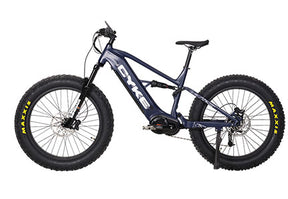
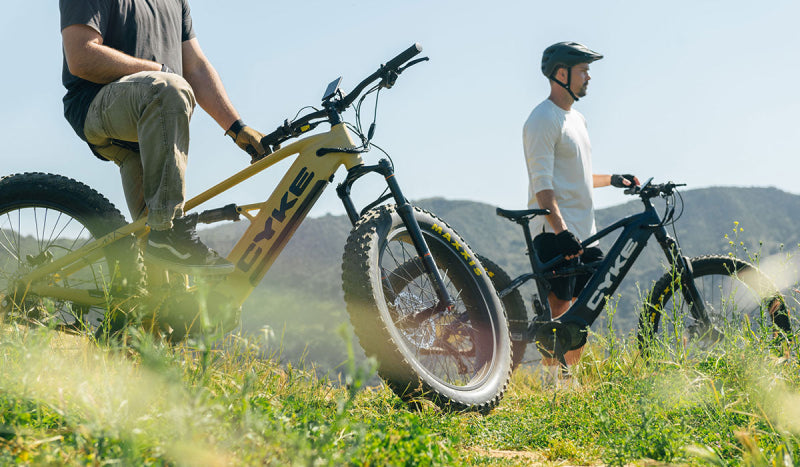
Fat tires measure between 4.0 and 4.8 inches wide. This extra width helps spread the bike’s weight and grab snow better. They float on soft snow and bite into packed snow.
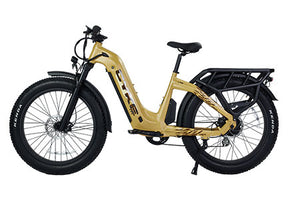
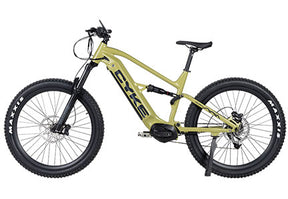
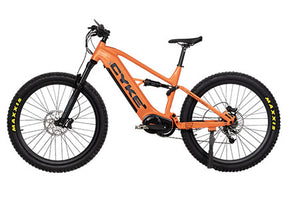
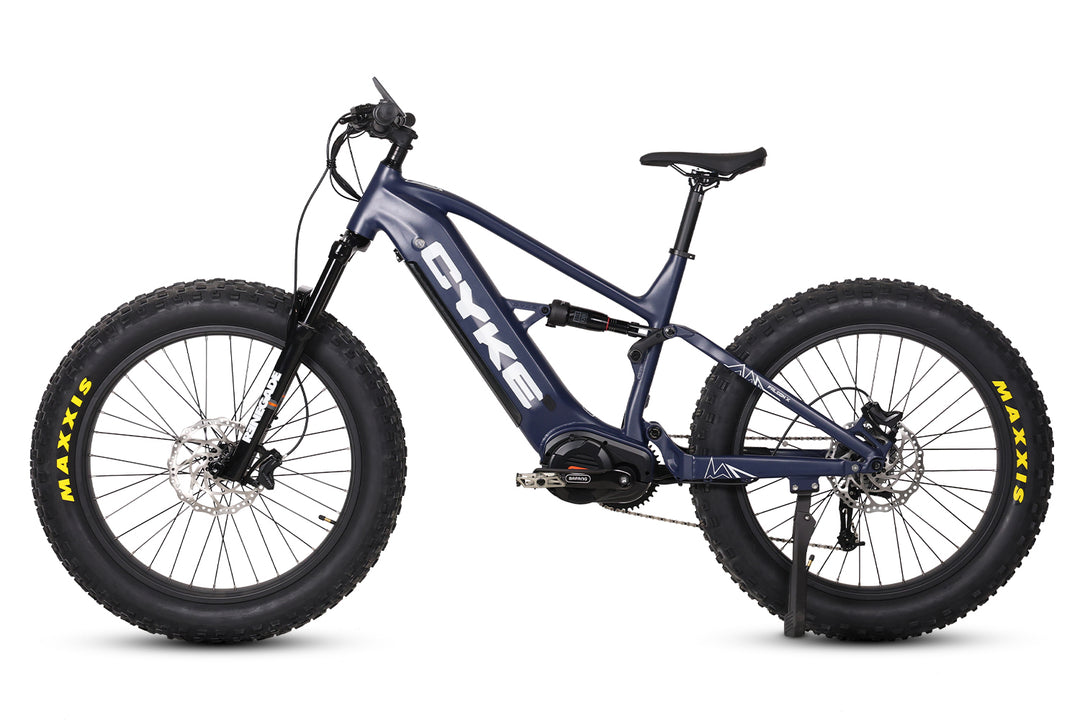
For example, CYKE’s Falcon X full-suspension e-bike comes with 26×4.8-inch snow tires, which give superior control, strong grip, and stability on snow. These extra-wide tires let the bike glide on soft snow instead of sinking.
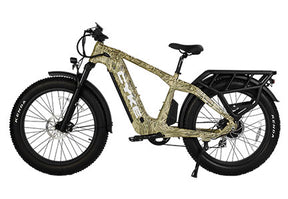
Other models like the Falcon A, Falcon S, and the hunting-style Cheetah from CYKE also use fat tires that enhance stability when conditions deteriorate.
Lower Speeds and Smooth Control Reduce Risk
Speed amplifies every mistake in winter conditions. Slower riding gives you more time to react to obstacles and changes in traction. Your e-bike's pedal assist levels let you control power delivery precisely. Start in a lower assist mode to prevent wheel spin when accelerating.
Smooth inputs matter tremendously. Sudden acceleration, hard braking, or aggressive steering can break traction instantly. Think of your controls as delicate instruments requiring gentle handling.
Proper Lights and Visibility Gear
Winter means short days and often gray skies. Bright front headlight and strong rear light become essential equipment rather than optional accessories.
Wear reflective clothing or straps so drivers and others can see you. In other words, be easy to see. Bright colors stand out against white snow backgrounds better than dark clothing.
When Snow Becomes Dangerous: Conditions to Avoid
Not all winter conditions allow safe riding. Recognizing when to leave your e-bike at home protects you from serious accidents.
Ice and Black Ice
E-bike in icy conditions present the highest risk factor for winter riders. Ice eliminates the friction your tires need for control. Black ice proves especially unsafe because it looks like wet pavement. This thin, transparent ice layer forms on roads when temperatures drop after rain or melting snow. No tire technology overcomes ice reliably.
Heavy Snowfall or Snowstorms
When big snowflakes are flying fast, conditions change by the minute. Visibility drops to dangerous levels. Snow accumulates faster than plows can clear it. Other vehicles struggle with control, creating unpredictable situations around you. Wind often accompanies heavy snow, pushing you off balance. If you watch a heavy storm, plan to wait it out.
Deep, Loose Snow
Riding in several inches of soft, unpacked snow is like riding on a beach. If the snow is knee-deep or too loose, the wheels will spin or sink. Without a firm surface underneath, your bike can’t roll easily. Your motor works harder, draining your battery quickly. Even fat tires struggle when snow depth exceeds several inches of loose powder.
How to Prepare Your E-Bike for Safer Winter Riding
Choose the Right Tires
Swap your tires for ones made for snow. Fat tires (around 4 inches wide) or studded tires are best. For example, CYKE’s Falcon X model is built as a winter-ready e-bike. It comes with 26×4.8″ Maxxis snow tires for exactly this purpose.
Many e-bike shops sell studded tires for icy roads and extra-fat knobby tires for snow. Studs bite ice, while big knobs grip deep snow. If you plan regular winter rides, consider a bike like the Falcon X that is meant for all-terrain snow, or at least fit snow tires to your own bike. The right tires will spread out your weight and give much better control on slippery ground.
Protect the Battery in Cold Temperatures
Cold weather affects battery chemistry directly. You should expect a reduced range during winter rides. Lithium batteries lose capacity as temperatures drop. A battery that provides 40 miles of range in summer might only deliver 25 miles in freezing conditions.
Charge your battery indoors where temperatures stay comfortable. Never charge a frozen battery. Let it warm to room temperature first. Before riding, keep your battery warm. Store your bike inside overnight or remove the battery and bring it indoors.
Quick Pre-Ride Checks
Snow riding electric bike requires more attention to mechanical condition than summer riding.
Check your brakes first. Test them before leaving your driveway. Winter conditions demand maximum braking performance. Verify your tire pressure next. Cold air causes pressure to drop. Properly inflated tires maintain better traction and roll more efficiently. Finally, confirm all lights work properly. Test both front and rear lights, plus any additional visibility features.
How Your Riding Style Should Change in Snow
Snow riding means being smooth and steady. Here are some style tips:
- Slow down significantly. Cut your normal speed in half as a starting point. This gives you adequate reaction time when traction disappears unexpectedly.
- Brake earlier than usual. Your stopping distance increases dramatically on snow. Begin braking well before turns or stops. Apply the brakes gently to prevent skidding.
- Avoid sharp turns. Lean your bike less and turn more gradually. Sharp lean angles combined with slippery surfaces guarantee crashes.
- Stay seated for traction. Sitting on the bike puts weight on the rear wheel, which often drives the bike. This extra downforce can help the wheel grip. Standing up shifts weight off the back wheel and may make spinning easier.
- Keep a predictable riding line. Other road users struggle with control too. Riding predictably helps them anticipate your movements and avoid collisions.
Is a Fat-Tire E-Bike Better for Winter Riding?
Yes, definitely. Fat-tire e-bikes are generally much better for winter snow. Their wider tires provide more grip and stability. They handle packed snow and light powder conditions that would stop standard bikes. The increased contact patch distributes weight more effectively, preventing you from sinking into snow.
With a fat-tire e-bike, you get more confidence, the bike stays upright more easily and the ride feels stable. If you live where winters are snowy, a fat-tire e-bike can extend your season and keep rides safer.
Conclusion
So, are e-bikes safe in snow? They can be, but it depends on your bike's setup, the specific conditions, and your riding approach.
Invest in proper tires, respect hazardous conditions, adjust your riding style, and maintain your equipment carefully. Riding e-bike in snow offers unique rewards for prepared riders who understand the risks and take appropriate precautions.


