






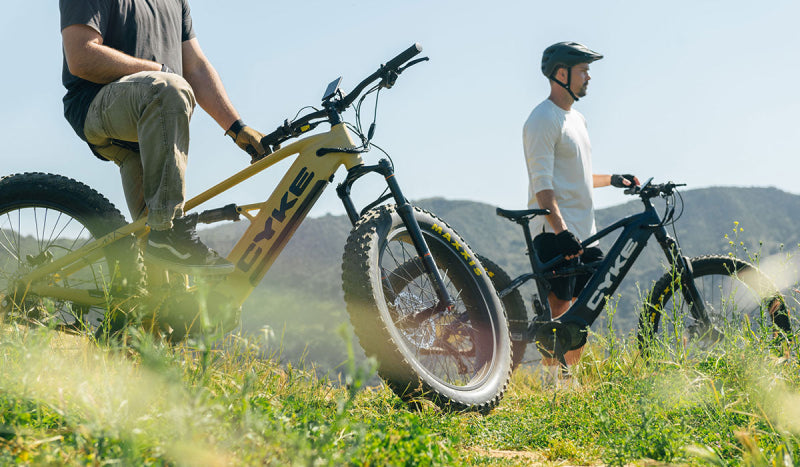


Spec-Driven vs Rider-Driven E-Bike Design
Why do two e-bikes with similar specs feel completely different once you start riding? That question highlights the truth about how e-bikes are designed.
There are generally two approaches to e-bike design.
The first one is spec-driven. This method focuses on technical numbers. Motor power, battery size, torque, or speed. On paper, it looks strong and impressive. But numbers can’t tell you how the bike feels once you start riding.
The second way is rider-driven, or rider-first. This approach starts with you, the rider. It focuses on the end-user’s actual riding experience.
When you understand the e-bike design differences between these two approaches, you make a smarter choice. You don’t just buy what looks powerful on paper. You choose what actually feels good to ride.
What Spec-Driven E-Bike Design Looks Like
Spec-driven e-bikes are built around the specs you see on the product sheet. The focus goes to headline numbers that are easy to advertise.
Designed Around Numbers
Here are some of the usual specs:
- Motor wattage — how powerful the motor is on paper
- Battery size — how many watt-hours the battery holds
- Top speed — the fastest the bike can go
- Torque numbers — how much pulling force the motor produces
These figures are simple to list and easy for buyers to compare side by side. A 1000W motor sounds better than a 750W motor. A 960Wh battery sounds better than a 720Wh battery.
However, focusing just on specs leaves out a lot. For example, two bikes can both say “500W” on the spec sheet and still feel completely different to ride. That’s because actual performance depends on how all the parts work together, including power delivery, drivetrain efficiency, and steering precision, not just the raw numbers.
Why Spec Sheets Can Be Misleading?
Specs often hide the fine details. A motor’s wattage is easy to list, but it doesn’t show the power delivery.
For instance, two bikes with the same 750W motor can feel completely different when you are actually riding them. One might accelerate in a jerky, unpredictable way. The other might deliver consistent pedal assist and controlled acceleration.
The same goes for e-bike ride quality. A large battery doesn't guarantee a good range if the motor controller is inefficient. A high torque number means nothing if the frame geometry puts your weight in the wrong place.
What matters most is how all the components work together, not how any single number looks on a spec sheet.
Other hidden factors include:
- Controller tuning: How the bike’s computer manages power.
- Torque curve: How the motor power rises as you pedal.
- Motor efficiency and heat: A motor that runs cool will keep more power output.
- Gearing and drivetrain: The number of gears and how they are set up change acceleration.
What Rider-Driven E-Bike Design Means
Rider-driven design focuses on how a bike actually feels to ride. Instead of starting with the biggest motor or battery, the design process begins with the rider’s experience. E-bike handling and comfort are the core goals of rider-driven design.
Designed Around Real Riding Conditions
Rider-driven e-bike design starts with entirely different questions. Instead of asking "how fast can this go?", the engineers ask:
- How does the bike feel at low speed? Is the steering response precise enough for traffic or tight trails?
- How does it perform on rough terrain? Does it stay under control on bumps and rocks?
- How comfortable is it after an hour? Do your back and arms feel sore or relaxed?
These questions shape the way the bike is built. Designers focus on efficient suspension performance, responsive steering geometry, and controlled motor power delivery. The result is a bike that feels easy to manage during daily rides, not just powerful on paper.
Balance Matters More Than Maximum Specs
In a rider-driven bike, balance is king. That means the weight, suspension, tires, and frame all work together.
Riders who switch from spec-chasing to balanced bikes often often notice improvements in cornering control, braking feedback, and trail traction.
These bikes don’t need the biggest motor to feel powerful; they use their parts wisely. They are exactly what make a bike a pleasure to ride rather than a chore to manage.
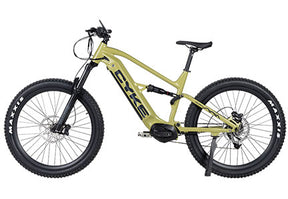
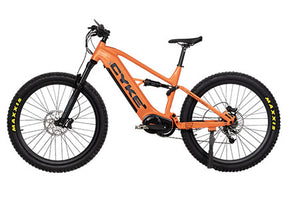
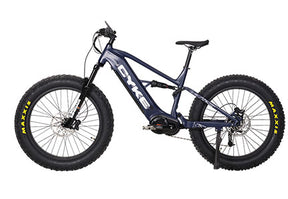
Falcon S Full Suspension eMTB: Rider-Driven E-Bike
Rider-driven design focuses on how a bike actually feels on the trail. Instead of highlighting numbers on a spec sheet, this approach starts with practical riding questions such as:
- How responsive is the steering on tight trails?
- Does the bike maintain traction on loose terrain?
- How predictable does it feel when cornering or braking?
These questions help shape a bike around real riding conditions. Rough terrain, sharp corners, and moments where control matters most. That means thoughtful geometry, components that work together, and features that solve real problems riders face.
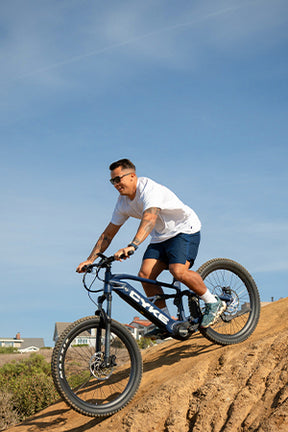
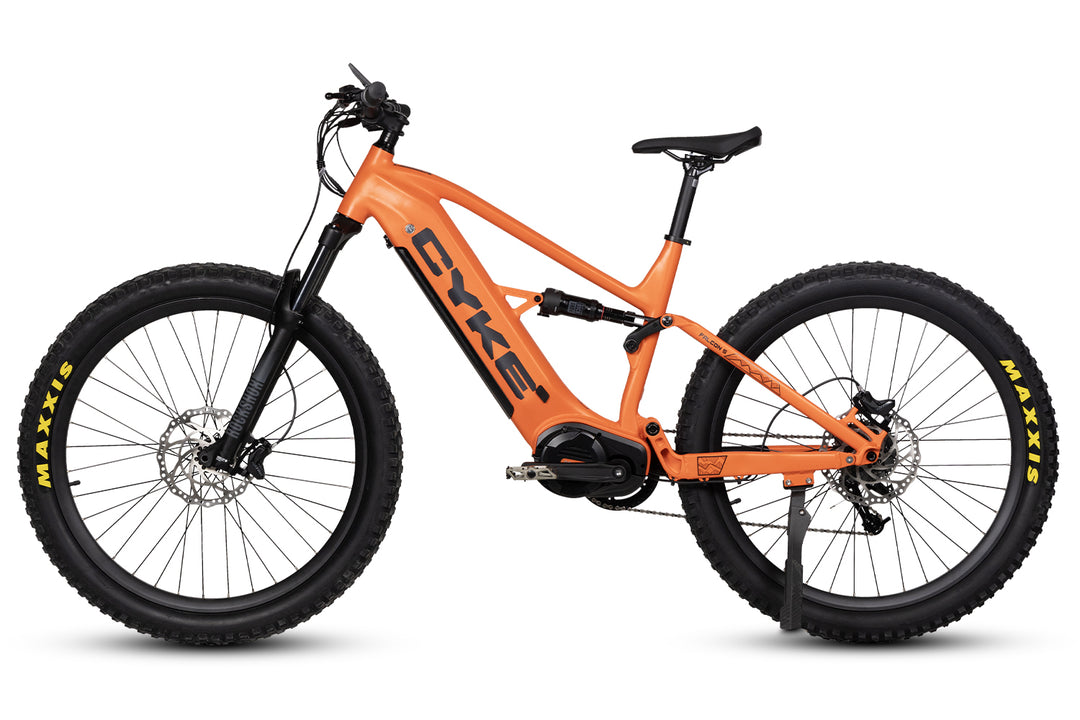
The CYKE Falcon S is a clear example of this rider-first philosophy. Every part of the bike is designed to improve trail performance and overall ride quality.
It features 150 mm of travel on both the front and rear RockShox suspension system. In simple terms, the fork and rear shock act like powerful springs that absorb bumps and impacts from rough terrain.
One of the biggest full suspension e-bike benefits is suspension performance on technical terrain. When riding through rough sections, the shocks help the wheels track the trail more effectively. This allows riders to maintain better steering response and responsive braking control through obstacles.
The geometry is built for confident handling. The rider sits in a steady, balanced position, which helps when cornering or braking.
In addition, the Falcon S uses a wide 29x3" Maxxis Minion tire. These fat tires improve traction on loose surfaces, while also helping absorb smaller vibrations from the trail.
Why Rider-Driven Design Feels Better Over Time
Spec-driven bikes can impress you on day one. But the numbers you were excited about don't change how your wrists feel after a bumpy hour-long ride. They don't help when you need to make a tight turn at low speed.
Rider-driven bikes improve the parts of riding you experience every single time you get on the bike. Because everything works together properly, you get less tired. For instance, good suspension and ergonomic handlebars mean your arms and back don’t ache after an hour. Better shock absorption means your body isn’t jostled so much by bumps.
A bike built this way also boosts your confidence. When the handling delivers predictable steering and reliable braking traction, you learn the bike’s limits faster and ride more boldly without fear.
How to Recognize Rider-Driven E-Bike Design
Knowing what to look for in an e-bike goes beyond the spec sheet.
First, notice the geometry. A well-designed bike places you in a natural riding position. You should feel centered, not stretched too far forward or cramped.
Stable handling is also a strong sign. The bike should offer consistent steering response and dependable braking control, even over uneven terrain. A good off-road bike will also provide enough suspension travel and damping performance to absorb bumps.
Next, look at the parts. Rider-driven bikes tend to use components that work together. Strong motors should pair with reliable brakes. Tires should match the bike’s purpose.
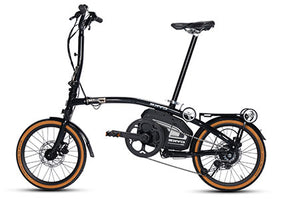
Also consider the bike’s overall goal. Rider-driven bikes have realistic design goals. They are built for a specific type of riding, and everything supports that purpose. For instance, a commuter bike won’t have an ultra-large battery if it’s meant to be light and easy. It might have a medium battery and a smaller motor to maintain efficient weight distribution.
If possible, take a test ride. Even a short ride reveals more than numbers ever can. Pay attention to how smoothly it starts, how it corners, and how it handles small bumps.
If you can’t ride it, read real ride impressions. Focus on comments about comfort, stability, and control in everyday use.
Conclusion
In the end, the choice between spec-driven and rider-driven e-bike design comes down to priorities.
Yes, specs matter, but they only tell part of the story. The real question isn't how impressive a number looks; it's how the bike feels when you are actually riding it.
Rider-driven design puts that experience first, and that's the kind of eBike that earns its place in your garage for years to come.


