







How to Ride Your E-Bike Safely in Winter: Winter E-Bike Riding Tips for 2026
Winter brings its own set of challenges, but that doesn’t mean your e-bike has to stay in the garage. Many riders keep going through snow and cold, and with the right prep, you can do the same.
Riding an e-bike during winter requires different techniques than summer riding.
Temperature affects your battery, snow changes how your tires grip the road, and shorter days mean less visibility. But once you understand these challenges, you can adapt and enjoy year-round riding.
This guide provides practical winter e-bike riding tips for 2026 to help you navigate winter conditions safely and confidently.
Choose the Right Tires for Winter Riding
Good tires make the biggest difference between sliding around and maintaining control. Standard e-bike tires work fine on dry pavement, but winter conditions demand a specialized one.
Fat Tires Improve Traction on Snow and Slush
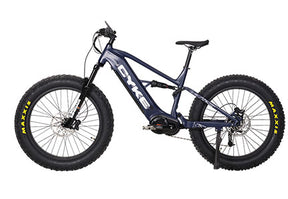
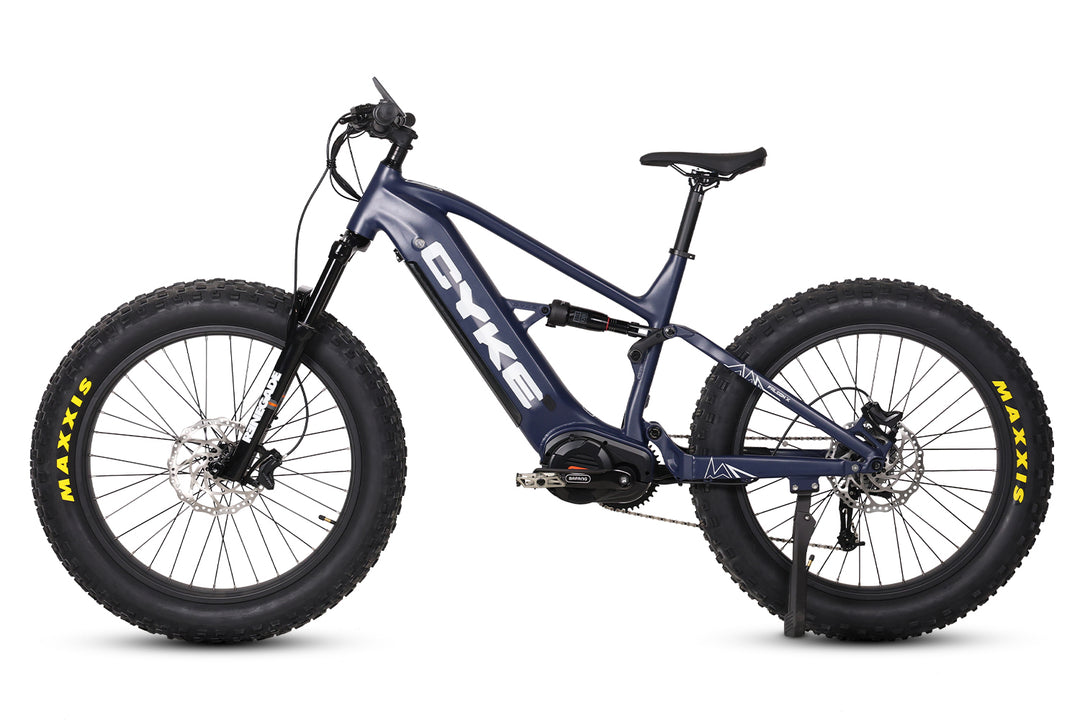
Fat tires are wider than normal bike tires. Ranging from 4.0 to 4.8 inches, these tires spread your e-bike’s weight over a larger surface area. This creates a floating effect on the snow rather than sinking through it. The wider contact patch also provides more grip on slush and packed snow.
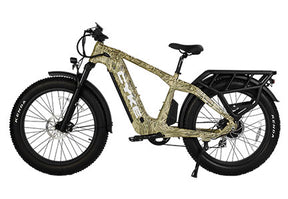
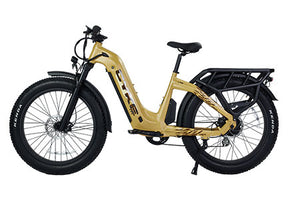
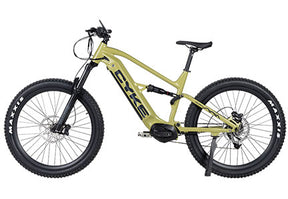
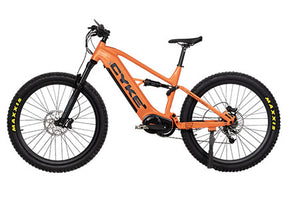
The winter fat tire e-bike category has grown significantly, with models designed specifically for cold-weather performance. The CYKE’s Falcon X eBike stands out as an excellent example, featuring genuine snow tires that excel in winter conditions. This full-suspension e-bike comes equipped with 4.8-inch Maxxis Minion tires, which provide exceptional traction, cornering, and low rolling resistance on loose surfaces.
Studded Tires for Icy Urban Roads
When roads turn to ice, studded tires can help. These tires have tiny metal studs built into them. They dig into ice and give a strong grip where smooth tires slip. Two excellent options include the SCHWALBE Marathon Winter and the Maxxis Minion (like on the CYKE Falcon X).
Studs become necessary when you encounter black ice, freezing rain, or live in northern states where roads stay frozen for weeks. They are especially important for maintaining control when braking or turning on slick winter surfaces. If your commute includes bridges, shaded areas, or early morning rides, studs provide peace of mind.
Lower Tire Pressure for Better Grip
Reducing tire pressure increases the contact patch between your tire and the ground. For fat tires on snow, aim for 8 to 15 PSI. This lower pressure lets the tire spread more on the ground and catch better edges in snow.
However, don’t go too low. Extremely low pressure increases the risk of rim impact when you hit a pothole or curb. Start at the higher end of the range and gradually reduce pressure as you gain experience with winter riding conditions.
Protect Your E-Bike Battery in Cold Weather
Your battery powers your ride, but cold weather significantly affects its performance. Understanding these limitations helps you plan better trips.
Expect Reduced Range in Cold Conditions
Lithium-ion batteries lose efficiency when temperatures drop below 32°F (0°C). The chemical reactions inside slow down, reducing available power.
This means a battery that normally provides 40 miles might only deliver 28 to 32 miles in freezing weather. Therefore, you should plan for a 20–30% less range during winter rides.
Charge Indoors and Keep Your Battery Warm
Lithium-ion cells can suffer permanent damage when charged at freezing temperatures. Always bring your battery inside and charge it at room temperature.
Cold batteries don’t hold the charge well and may stop charging early if they are frozen. Bring the battery indoors, charge it, and only install it on your bike when you are ready to ride.
Start Your Ride with a Warm Battery
Cold batteries experience voltage sag, where available power drops quickly under load. Starting with a warm battery ensures better performance throughout your ride.
Keep your battery inside until you're ready to leave. You can use battery covers or neoprene sleeves for additional insulation during the ride. These accessories help maintain temperature and extend range. Just remember to remove extra layers before charging.
Make Yourself Visible in Low Winter Light
Winter days grow short, with darkness arriving by late afternoon. This makes visibility gear very important.
- Equip your e-bike with bright front and rear lights that remain visible in daylight. LED lights work best, offering high brightness with minimal battery drain.
- Wear visible or reflective clothing that stands out against gray winter landscapes. Bright colors like orange, yellow, or lime green help drivers spot you earlier.
- Reflective strips on your jacket, pants, backpack, and helmet catch headlight beams from considerable distances.
Dress Warmly and Stay Comfortable
Cold can be dangerous if you’re not dressed right.
Layering is the secret to staying warm and winter e-bike safety. Start with a base layer that pulls sweat away from your skin so you don’t get cold. Add an insulating mid-layer like fleece, then finish with a windproof and water-resistant outer shell.
Your extremities need extra protection, and here are some cold weather e-bike tips to stay warm and comfortable:
- Invest in insulated gloves that maintain finger flexibility for brake and shifter operation.
- Wear a balaclava or face mask to protect your cheeks and nose from windburn.
- Consider heated gloves or handlebar mitts for extremely cold days.
- Protect your feet with thick socks and winter shoes or waterproof boots with good insulation. Neoprene shoe covers add extra warmth over regular cycling shoes.
- A hat or headband under your helmet keeps heat in.
Adjust Your Riding Style for Snow and Ice
Snow and ice make traction lower and stopping distances longer. Use these simple winter e-bike riding tips to stay in control:
- Slow down significantly compared to summer speeds. What feels cautious is actually appropriate for conditions where traction is limited.
- Brake earlier and more gently than usual. Sudden braking on slippery surfaces can lock your wheels and cause falls. Apply both brakes gradually, allowing your tires to maintain grip.
- Avoid sharp turns that require leaning. Take corners slowly and keep your bike as upright as possible. Leaning reduces your contact patch and increases slide risk.
- Stick to plowed paths or packed snow whenever possible. Fresh powder looks inviting, but hides obstacles and creates unpredictable handling. Plowed routes offer more consistent surfaces and better traction.
Keep Your E-Bike Clean After Winter Rides
After a cold ride, your bike needs care. Salt and slush from the streets can cause rust and wear.
- Wipe down your frame, chain, and other exposed parts with a damp cloth. Pay special attention to areas where salt and slush accumulate.
- Dry your bike before storing it.
- Re-lubricate your chain more frequently during winter. Wet conditions wash away lubricant faster than dry weather. A well-lubed chain reduces wear and maintains smooth shifting.
- Perform quick visual checks of your brakes and tires after each ride. Look for cuts in tires, brake pad wear, or any unusual wear patterns. Catching problems early prevents dangerous failures.
Conclusion
Winter can be a great time to ride your e-bike if you prepare well and learn how to ride e-bike in snow and cold weather. With proper tire selection, battery care, visibility measures, and technique adjustments, snow electric bike riding becomes manageable and enjoyable.
These winter e-bike riding tips transform challenging conditions into opportunities for adventure. Start with short local rides to build confidence, then gradually expand your range as you master winter techniques.
Your e-bike can serve you well in every season with the right preparation and approach.


