


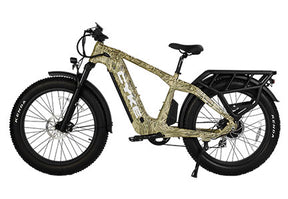
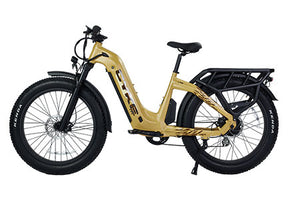
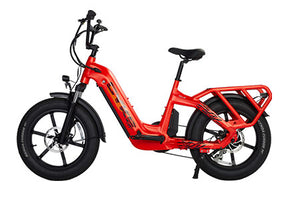
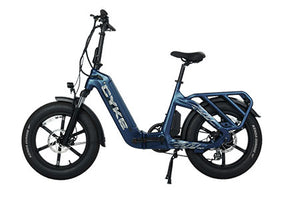
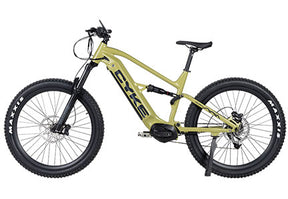
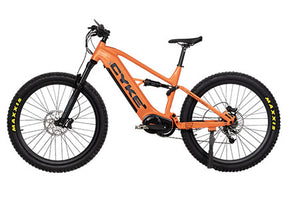
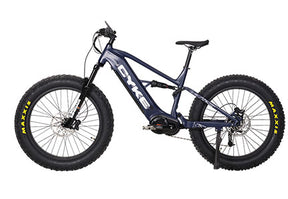
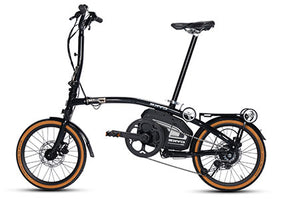







Featured in this posts
Battery Advice for Riders Who Commute Daily vs Occasionally
Your riding patterns play a major role in how you should care for your battery. A person who rides to work five days a week faces completely different battery demands compared to someone who takes weekend trail rides.
Understanding these differences helps you avoid premature battery degradation and ensures your investment lasts. Proper e-bike battery care keeps your power system running efficiently for years.
This guide breaks down specific strategies based on how frequently you ride, helping you develop maintenance routines that match your actual usage patterns.
How Often Should You Charge an E-Bike?
The answer to how often to charge e-bike depends entirely on your riding frequency and distance.
- Daily riders: Charge after each ride or every other day so your ebike battery is ready for tomorrow. A commute that uses around 40–60% of your capacity justifies plugging in overnight.
- Occasional riders: Wait to charge when the battery level drops to about 20–30%.
Moreover, aim to keep the battery between 20% and 80%. This range places less stress on the cells and supports long-term battery health.
Battery Tips for Daily E-Bike Commuters
Daily riding demands a systematic approach. Your ebike battery works hard, and consistent habits prevent premature wear.
- Follow the 20–80% Rule: Keep your battery between about 20% and 80% charged for everyday use. Avoid letting it drain to 0%, and don’t keep it at 100% all the time. Charging up to 80% (instead of 100%) and then using it down to around 20% is like giving the battery a rest. This “20-80 Rule” reduces stress on the cells and makes the battery last through many more charges.
- Charge Overnight: Charging overnight works well, but avoid leaving your battery plugged in for long. Modern chargers typically stop delivering current once the battery reaches full capacity, but disconnecting after charging completes remains good practice. Set a reminder or use a timer outlet if you tend to forget.
- Partial Charges: You don’t need to drain the battery before recharging. In fact, shallow discharges are healthier than deep ones. If your commute uses about 50%, charging that same evening keeps the battery ready without forcing a full drain cycle.
- Match Charging to Commute Distance: Consider your commute distance when developing e-bike battery charging habits. A 10-mile round trip might only consume 25% of your capacity. You could potentially ride two or three days before needing a charge. Still, try to stay within the 20–80% range whenever possible.
- Avoid Extreme Temperatures: Do not charge or store it in very hot or cold places. For example, if it’s winter, bring the battery indoors before you charge it. If it’s summer, don’t leave it outside under the hot sun. Charging in moderate temperatures (between 32° F and 104° F) keeps the battery healthy.
- Watch for Performance Changes: Notice if your range decreases significantly or if charging takes much longer than usual. These signs indicate potential issues worth addressing before they become serious problems.
- Keep Contacts Clean: Dirt and corrosion build up gradually, creating resistance that reduces efficiency. A soft cloth with rubbing alcohol removes grime without damaging sensitive components.
Battery Tips for Occasional or Weekend Riders
If you ride only a few times a week or just on weekends, your battery care can be a bit different. Your battery can degrade from neglect as easily as from overuse.
But the good news is occasional riders don’t need to charge as often, but you do need to avoid letting the battery sit empty for too long. These tips will help extend e-bike battery life for riders who don’t use their bikes daily.
- Manage Storage Charge Levels: Storage charge level matters tremendously for occasional riders. Leaving your battery fully charged for weeks between rides accelerates capacity loss. Similarly, storing it nearly empty causes problems. Aim for a 60% charge when you know you won't ride for more than a week.
- Charge When It Gets Low: Unlike daily riders who plug in every night, you can wait to charge until the battery drops to around 30–40%. There’s no harm in having some battery left, so only charge when you see it getting low. Avoid letting the battery stay below 20% for very long.
- Check the Battery Monthly: Check your battery monthly, even when not riding. Batteries self-discharge slowly over time. If you store your bike for months, expect the charge to drop. Adding a small charge every 4-6 weeks prevents deep discharge during storage periods.
- Store in Stable Temperatures: Temperature swings during storage cause more harm than riding itself. Garage storage works fine if temperatures remain moderate. Extreme heat or cold during storage periods causes more damage than actual riding. A basement or climate-controlled space (between 32° F and 104° F) provides ideal conditions.
- Ride Occasionally, Even Briefly: A short ride every few weeks keeps battery cells active and helps catch problems early. Even a 15-minute spin is better than months of inactivity.
- Remove the Battery for Long Storage: For extended storage, remove the battery and keep it indoors at room temperature with about 60% charge. This avoids slow drain from bike electronics and protects against temperature extremes.
Common Battery Mistakes Riders Make
- Charging in Extreme Temperatures: Never charge your battery when it's frozen or extremely hot. Let it reach room temperature first. Charging cold batteries can cause internal damage that reduces capacity permanently.
- Overcharging (leaving it on too long): Don’t leave your battery plugged in for days or weeks. Modern chargers stop charging once full, but some batteries may trickle charge (go up a little, then down a little). This can stress the battery. Instead, plug it in only until it’s done, then unplug.
- Ignoring Battery Warnings: Modern batteries include sophisticated monitoring that detects issues early. If your system indicates a problem, address it promptly rather than hoping it resolves itself.
- Using the Wrong Charger: Aftermarket chargers might not match your battery's specifications exactly. Slight voltage differences accumulate damage over time. Stick with manufacturer-approved chargers to protect your investment.
- Storing Full or Empty for Too Long: Storing batteries at 100% charge or empty for extended periods significantly reduces e-bike battery longevity. This keeps the cells under constant stress. Even a few weeks at full charge causes measurable capacity loss compared to storage at partial charge levels.
- Letting It Drain To 0%: While modern lithium batteries don't suffer from "memory effect" like older technologies, deep discharges still create more stress than partial cycles. Try to recharge before dropping below 20%.
- Charging in Extreme Heat or Cold: Very hot or very cold places can harm a battery during charging. A general rule: if the air is too hot or cold to be comfortable, wait to charge until it’s milder.
- Physical Damage: Dropping or hitting your battery can harm internal cells even if the case looks fine. Handle batteries carefully during removal, installation, and transport.
- Skipping Firmware Updates: Battery firmware updates improve charging, efficiency, and safety. Ignoring them can miss important performance and longevity improvements.
Conclusion: Match Battery Habits to Riding Frequency
At the end of the day, your charging routine should match how you ride. For daily commuters, it’s best to charge after every ride or overnight charging. Weekend riders should wait to charge until the battery drops to around 20% and perform monthly maintenance checks.
The underlying rule remains constant: avoid extremes. Don't constantly drain or fully charge your battery. Keep it away from temperature extremes. Follow the 20–80 rule.
Your riding style deserves a matching ebike battery care approach. Implement these strategies and enjoy reliable power for thousands of miles ahead.


