







What's Actually Stopping People From Buying an eBike?
You have probably seen eBikes more often. They are in bike lanes during rush hour, parked outside cafe shops, and quietly rolling past lines of cars stuck in traffic.
And at some point, you may have thought, I could see myself on one of those. But something keeps getting in the way.
Maybe you are worried about its price, size, or where to put it in your apartment. Or maybe you are not even sure what the hesitation is; you just haven't decided to buy.
Not only you, but many people feel this way. Until these concerns feel manageable, the purchase often stays on the "maybe someday" list.
Interest in eBikes Is Growing, But Many People Still Hesitate
The e-bikes market in the USA is expected to grow to nearly $10 billion by 2033. Experts also expect a growth rate of 12.8% in the years ahead.
That means, more people are buying an eBike than ever before.
Still, for every person who makes the purchase, dozens keep putting it off.
So what's stopping people from buying an eBike? The answers are often not what you would expect, because it's rarely just about the price.
Most hesitation around eBikes tends to come from a few familiar concerns, and they are usually more practical than people expect. And most of that has nothing to do with the bike itself. It all comes down to how people imagine, or can't imagine, how an e-bike will fit into their real lives.
When you listen to what people actually say, the reasons are usually surprisingly simple. They worry about storage, uncertainty about daily use, a lack of utility focus in marketing, and feeling out of place in a world that seems built for hardcore cyclists.
Ebike theft anxiety adds another real layer of hesitation. If a quality eBike costs $1,500 or more, the prospect of losing it to theft feels like a significant financial risk. It's a concern that changes how and whether people decide to buy.
For Many Riders, the Problem Is Not the Ride Itself
Ask someone why they haven't bought an eBike yet, and most people don't lead with cost. They say things like:
"Where Would I Even Put It?"
This is one of the most common reasons behind ebike storage problems. City apartments are small. Garages are full. Carrying a heavy bike up three flights of stairs every single day is a huge inconvenience.
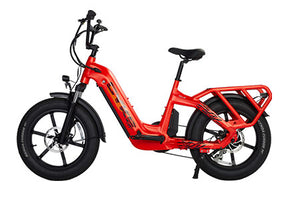
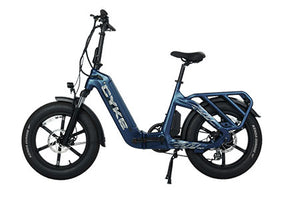
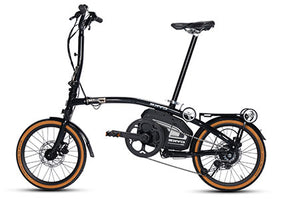
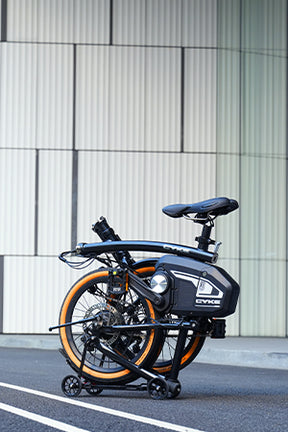
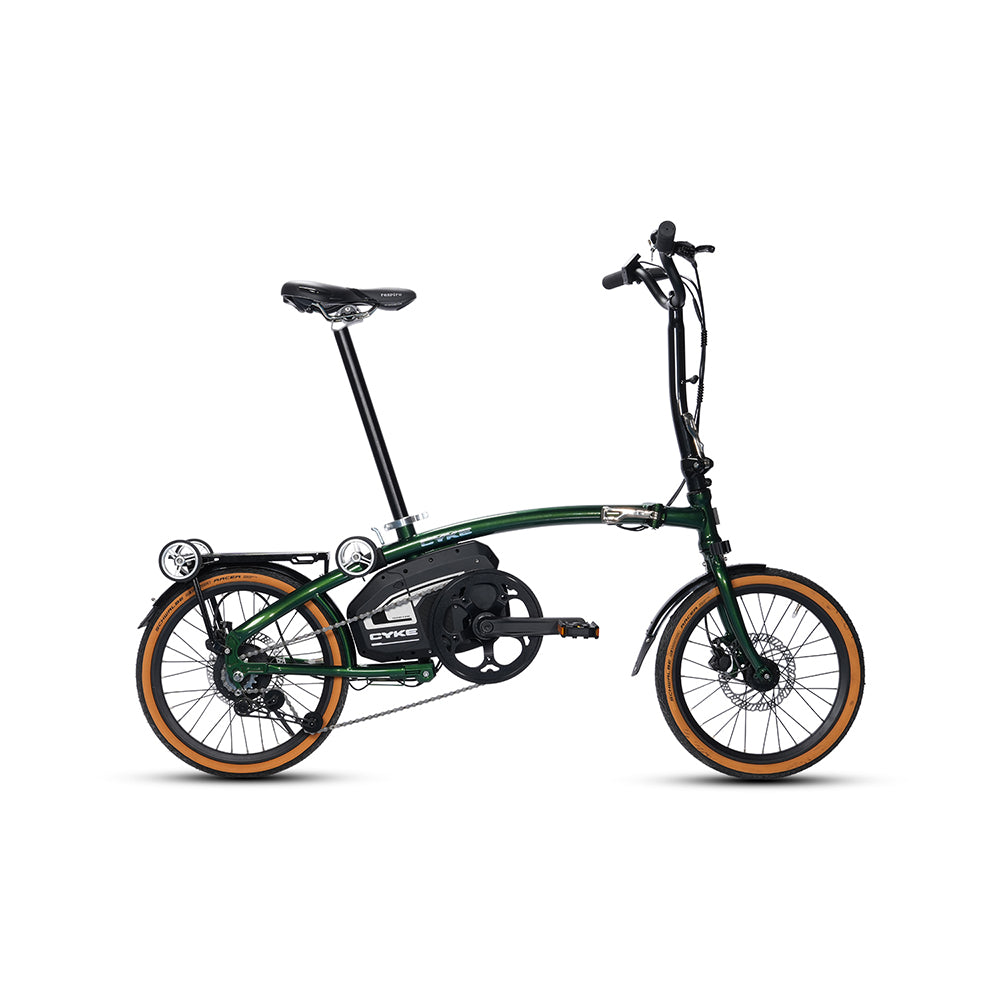
This is exactly why folding ebike for apartments have gained so much traction with urban riders. A bike that folds down compactly can live in a hallway closet, tuck under a desk at work, or fit in the trunk of a car without any planning. No storage unit required. No dedicated bike room. Just a smart design that slots into your existing space.
"Would I Actually Use It Enough?"
This is where ebike ownership concerns start to show up.
Buyers do the mental math. Will I ride in bad weather? Will I charge it regularly? Will I use it for real trips, or only once in a while?
Those questions matter because an eBike is not just a fun purchase. Most people want to know if it will become part of their everyday life. In other words, the question are ebikes practical is often more important than whether they look exciting in a video.
Some Riders Need an eBike to Replace Real Daily Tasks
A lot of eBike marketing shows riders on weekend trails, scenic coastal paths, or rugged mountain terrain. It looks exciting. But most potential buyers aren't daydreaming about adventure. They are thinking about groceries, school pickups, and errands.
Utility Matters More Than Marketing
When it comes to utility, the demand for a cargo ebike for daily life has grown as more people look to simplify their routines. This is not about recreation, it's about practicality. Replacing car trips with ebikes for short-to-medium urban distances is becoming a real strategy for city dwellers who are tired of parking costs, traffic stress, and fuel bills.
Cargo eBikes have become more relevant as people look for ways to handle everyday errands without relying on a car. For some riders, that means groceries. For others, it means school runs or short deliveries.
The financial math often works out faster than expected. Fewer car trips mean lower fuel costs, reduced parking expenses, and less wear on your vehicle. An eBike built for function pays for itself differently than a recreational one.
People Want Simplicity, Not Just Performance
There is something that often gets missed here. Most people are not asking for the fastest bike or the longest range on the market. They want something that works reliably and is easy to live with.
In most cases, it’s very simple. You simply charge your eBike overnight, ride it to work, carry your bag and your lunch, lock it up, and come home. That's the whole experience. And for a growing number of people, that straightforward loop is exactly what they are looking for.
The commuter ebike lifestyle is not about showing off. It does not depend on special gear or a racing mindset. It's just a better daily option than sitting in traffic or waiting for a bus.
The eBike Industry Can Still Feel Intimidating
This is something the industry doesn't always confront directly, and it's one of the major reasons people hesitate.
Overly technical marketing can push new buyers away. Imagine you went into an eBike shop for the first time. You start hearing about torque, battery chemistry, controller details, suspension setups, and assist modes. It's a lot of information to process for someone who just wants an easy way to get to work or run errands.
Performance-heavy messaging can also miss the point. A lot of riders do not care about max speed first. They care about comfort, control, storage, and low stress. That is where the gap grows between the brand voice and the buyer’s actual needs.
Then there is the "cyclist culture". It's the unspoken sense that you have to be athletic, gear-savvy, or passionate about bikes to belong in this space. That feeling discourages many of the practical, everyday riders from even taking the first step.
Most of the hesitation around eBikes is not really about the bikes themselves. It’s about how people imagine they would fit into daily life. A sense that this category wasn't designed for them, that the industry speaks a different language, and the commitment feels bigger than the benefit.
For many riders, once that mental gap closes, the decision becomes much easier.
Final Thoughts
The eBike market now has options built for nearly every kind of rider and every kind of life. Whether you need a compact folding model that fits a studio apartment, or a cargo-capable bike that can take over your daily errands, there are well-engineered options designed around real-world use, not just trail performance.
But understanding what's stopping people from buying an eBike still matters. Because the industry still has room to grow in how it speaks to everyday riders, people who want transportation, not a new identity.
The e-bikes are ready, and barriers are mostly solvable. And for the millions of people already riding, the common refrain is the same: the only regret is not starting sooner.


