







Featured in this posts
How to Choose an E-Bike Based on Where You Live
How you select an e-bike largely depends on the streets you ride, the kind of weather you face, and even the building you reside in.
An electric bike made for city streets is not the same as one built for steep trails.
Therefore, before you choose an e-bike, it is important to take a close look at where you will be using it.
Living in a Dense City Changes What You Need
When using city streets, you are subjected to a series of traffic lights, pedestrians, and unpredictable movements from other vehicles.
You will be stopping and going dozens of times while using your e-bike on city streets.
Tight bike lanes and sidewalk use mean precision handling.
An e-bike that is too wide or too heavy can quickly become a source of frustration when navigating between parked cars and moving traffic.
Thus, you do not need a quick bike but one that can maneuver effectively and stay visible.
The best e-bike for city riding features an upright riding position that gives you a clear view over other car roofs and allows you to react quickly to sudden obstacles.
The eBike must be easy to mount and dismount. A low step-through design means that you do not have to swing your leg over a tall top tube when wearing work clothes or when grocery shopping.
Additionally, the bike must handle well, not speed. Most city riders do not go over 20 mph anyway, but it must feel stable at slow speeds, not wobbly.
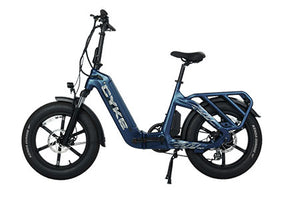
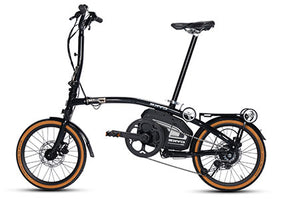
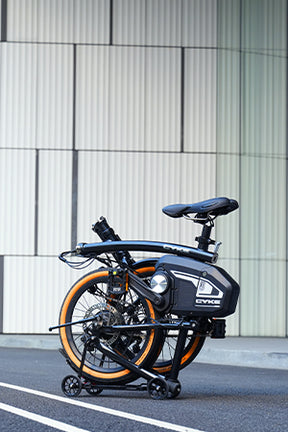
The Kingfisher Folding eBike is designed with an upright posture and predictable handling to address these issues. Its compact foldable design is perfect for navigating tight spaces, and the 250W mid-drive motor has the power needed for rapid acceleration at intersections. The step-through frame allows smooth mounting even in heavy traffic.
Hills and Elevation Demand Different Priorities
Constant climbing can change everything about an e-bike’s performance. The motors will work harder, the batteries will drain faster, and the gears will be subjected to stress continuously. If you are riding in San Francisco, Seattle, or anywhere else with hills, you will need different specifications compared to riders on flat terrain.
The torque output is the factor that will be critical in this case. High torque output will ensure that the motor has enough power to push you through the hills without straining or overheating.
Although the raw power output is important, sustained torque at low speeds matters more for actual hill climbing. Therefore, an e-bike for hilly areas should maintain consistent power output even on extended climbs.
Downhill control requires equal attention. Strong hydraulic disc brakes prevent brake fade during long descents. Full suspension helps maintain tire contact on rough downhill sections, preventing skidding and improving overall safety.
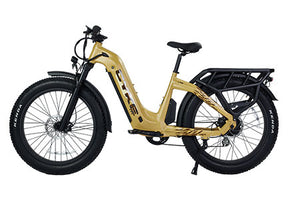
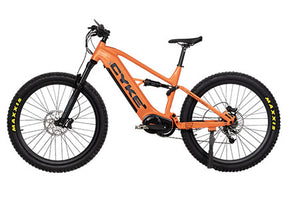
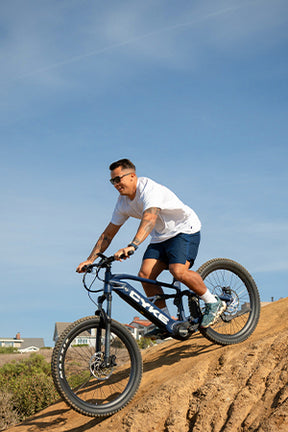
For example, a model with a 1000W mid-drive motor like the CYKE Falcon S Full Suspension Ebike) is suitable for handling tough ground conditions. Its full suspension system provides stability on both climbs and descents, while the powerful motor delivers the torque needed for steep grades. The hydraulic disc brakes offer reliable stopping power when gravity is working against you.
Suburban Riding Comes With Longer Distances
Suburban environments typically involve longer routes between destinations. You are not stopping every few blocks like in a city. Instead, you are riding 5, 10, or even 15 miles in a single direction, often at higher average speeds on wider roads.
This means that when you choose an e-bike for suburban commuting, sustained comfort and range consistency become essential.
A riding position that feels fine for 10 minutes can cause neck pain or wrist strain after 45 minutes. Therefore, a comfortable handlebar with good cushioning and a wider tire that can absorb more shock on roads with potholes and gravel is important.
Then there’s battery reliability. Nobody wants a battery that leaves you pedaling a heavy bike home when the charge runs out.
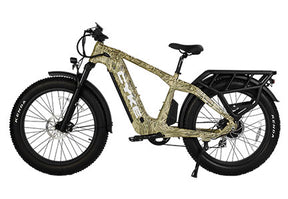
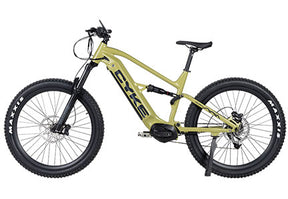
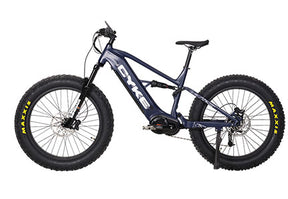
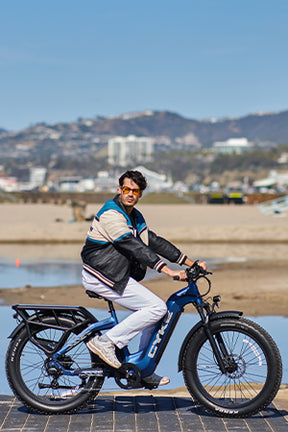
The Cheetah Hunting Ebike from CYKE addresses open-road stability through its 4-inch fat tire configuration. The slightly forward-leaning riding position reduces wind resistance compared to upright city bikes, improving battery efficiency.
Weather and Seasonal Conditions Matter More Than Expected
Wet or snowy conditions reduce tire traction, which can cause the e-bikes to accelerate very quickly.
Cold conditions can cause the batteries to drain faster, sometimes by as much as 20% or more if the temperature is below freezing. In heat, they can overheat if not cooled. Even wind makes the motor work harder and can lower your range.
The water resistance of e-bikes varies greatly. Motors and electrical connections designed for an e-bike for urban environments need proper sealing if you ride through puddles or winter slush. Heat affects battery lifespan over time, so storage location matters in hot climates.
Tire choice becomes critical in wet or icy conditions. Wider tires with appropriate tread patterns maintain better contact with slippery surfaces. Fenders help, too; they keep water off you. Bright lights and reflectors improve visibility in rain or fog.
Storage and Living Space Are Often Overlooked
Where you park your e-bike affects which models make practical sense. In tight apartments or homes without garages, carrying a 65-pound e-bike up and down the stairs three times a day is a hassle.
Elevators help, but narrow apartment hallways and tight turns create problems with longer e-bikes.
A folding e-bike or one with a removable battery is much easier to handle. Even if you have storage space, you will appreciate a folding bike when you need to bring it inside during severe weather or for charging.
Riding Environment Shapes Riding Habits
An e-bike designed for quick errands performs differently from one built for daily commuting. Short trips prioritize instant responsiveness and easy storage over long-range comfort. If you are just running to the grocery store, you don't need 50 miles of range, but you do need enough cargo capacity for shopping bags.
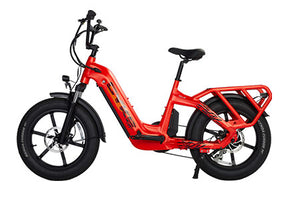
The Collie Cargo Ebike exemplifies purpose-built design for practical errands. Its cargo capacity handles up to 450 lbs, grocery runs, and package deliveries that would require multiple trips on a standard bike. The stable cargo platform makes loading and unloading easy, even with heavy items.
Consider e-bike terrain considerations alongside your daily routine. Smooth pavement allows narrower tires and lighter frames. Rough roads, gravel paths, or unpaved shortcuts demand wider tires and stronger frames to prevent damage and maintain comfort.
Knowing how you use the bike - short trips, cargo running, or long commutes- will help you settle into the right style. In other words, your riding needs (errands vs. daily commuting) will naturally guide you to the right e-bike design.
Why “Best E-Bike” Depends on Where You Are
No single e-bike excels in every environment. The perfect city bike feels wrong on suburban roads. The ideal mountain bike is awkward in downtown traffic.
What matters most is matching the bike to your environment and habits. Understanding your specific route, storage needs, and riding style lets you prioritize the features that actually matter for your daily riding.
Conclusion
When you choose an e-bike, your location determines which features deliver real value versus marketing hype.
City riders need maneuverability and quick acceleration. Hilly areas demand strong torque and reliable brakes. Suburban riders prioritize comfort and range.
Your climate, storage situation, and typical trip length all influence which e-bike fits your life best.
Focus on what you truly need from your daily rides, and then choose an e-bike that matches those specific conditions rather than chasing impressive specifications that don't address your real needs.


