







Featured in this posts
What to Prioritize When Comparing E-Bikes
Buying an e-bike can feel exciting but tricky. There are so many brands, models, and endless specifications to consider.
Most people focus on the wrong details first. They get caught up in motor wattage and battery capacity before considering what actually matters in their daily life.
So, if you’re wondering how to choose an e-bike or what really matters, the secret is not about checking every box on a spec sheet. It's about knowing what you truly need and letting those needs guide your decision.
When you start with clear priorities, comparing e-bikes becomes much simpler and more productive.
Start With How You'll Actually Use the E-Bike
Before you look at a single specification or price tag, focus on your real riding habits. This simple step will save you from buying something that looks great on paper but doesn't fit your lifestyle.
Daily Transportation vs Occasional Riding
If you're planning to ride every day for work or errands, you need something reliable and low-maintenance. Think about parking, weather protection, and how often you'll charge the battery. Daily riders benefit from features like a long-range battery, integrated lights, fenders, and racks.
On the other hand, weekend riders might prioritize fun and performance over practical accessories. Maybe you want something comfortable (like an ergonomic handlebar, cushioned saddle, and upright handlebars) rather than the toughest power.
Short Trips vs Long Rides
A bike for 3-mile commutes needs different features than one for 20-mile weekend adventures. Short-trip bikes can have smaller batteries and focus on quick starts and stops. They work well in city traffic and tight spaces.
If you love long-distance rides or off-road adventures, get a larger battery, a strong motor, comfortable seating, and smooth, sustained performance. You'll want to think about where you can charge along your route and whether the bike feels good after an hour in the saddle.
Comfort and Fit Should Come Before Performance
A powerful motor won't matter if the bike hurts to ride. Comfort and the right fit are essential for enjoying your e-bike and actually using it regularly.
Riding Position and Geometry
The frame geometry determines how you sit on the bike. An e-bike must match your height and leg reach so you can sit comfortably and pedal easily. If the bike is too big or too small, you’ll feel it in your back or knees.
An upright position offers better visibility and less strain on your back and neck. This works great for casual riding and city streets. A more forward-leaning position can improve aerodynamics and handling at higher speeds.
Test ride different styles if possible. Always choose a size you can sit on with a slight bend in your knee, and a handlebar height that feels natural.
Ease of Mounting and Handling
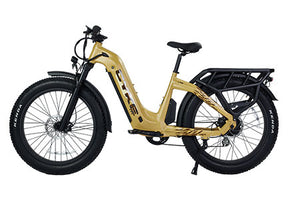
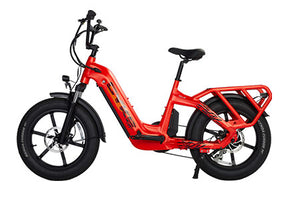
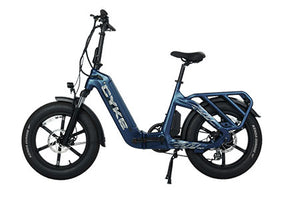
Step-through frames (no high top bar) make mounting easier without lifting the leg high, especially when carrying bags or wearing certain clothing. They're practical for frequent stops and starts.
High-top tubes can offer better frame stiffness and strength, but they require more flexibility to mount.
Weight and balance affect how the bike feels when you're walking it, lifting it, or maneuvering in tight spaces. A lighter bike with good weight distribution feels more manageable in everyday situations. Also, try the bike to check control and how it feels when you steer and brake.
Focus on System Balance, Not Individual Specs
This is where many buyers go wrong. They see an e-bike with a powerful motor or huge battery and assume it's better. But e-bikes work as integrated systems. Every component affects how the others perform.
Motor, Battery, and Frame Working Together
A powerful motor, like a 750-watt setup, sounds great on its own. But if the battery is small or the frame is heavy, the bike can feel slow and drain fast.
Where the motor sits also changes the ride. Hub motors put weight in the wheels, which can make steering feel heavier. Mid-drive motors sit in the center and keep the bike balanced, but they add a bit more complexity.
Battery size matters, but how well the motor uses that energy matters just as much.
When the frame is strong, the weight is balanced, and the motor and battery work smoothly together, the bike feels stable, powerful, and easy to ride.
Weight Distribution and Stability
Where the weight sits on the bike affects everything from handling to climbing ability.
Bikes with centered weight feel more natural and responsive.
Front-heavy or rear-heavy bikes can feel awkward, especially at low speeds or when stopping. This becomes more noticeable when you add cargo or ride on uneven surfaces.
Total weight matters too. A lighter bike with balanced weight distribution will feel easier to control than a heavier one, even if the heavier bike has a more powerful motor.
Overall, look for a design where the motor, battery, and any cargo space form a balanced package.
Reliability and Support Matter Long After Purchase
The excitement of buying a new e-bike fades quickly if it breaks down or you can't get help when something goes wrong. Long-term satisfaction depends heavily on reliability and support.
Build Quality and Long-Term Durability
Quality components cost more upfront but save money and frustration over time. Look at the reputation of the motor manufacturer, battery brand, and overall construction.
A strong frame material (like aluminum or carbon fiber) will last longer. You also want reliable brakes, gears, and wheels, ideally from known brands.
Water resistance and build quality matter more than you might think. E-bikes have electrical components that don't like moisture. Better sealing and construction protect your investment.
Warranty, Service, and Support
After buying, you rely on the warranty and service. A trustworthy e-bike often comes with a good warranty on frame, motor, and battery.
Consider where you can get the bike serviced. Some manufacturers offer mobile service or easy shipping for repairs. Know your options before you need them.
Customer support quality varies widely. Check if the company responds to questions quickly and helpfully. Read reviews and an e-bike comparison guide about warranty claims and repair experiences. This research pays off when you eventually need assistance.
Price Makes Sense Only After Priorities Are Clear
Once you know what you need above (use, comfort, balance, reliability), compare prices on bikes that meet those needs. When comparing e-bikes, don't start with your budget. Start with your priorities, then find the best value within your price range.
Cheap bikes often compromise on battery quality, motor reliability, or customer support. These savings disappear quickly when you need repairs or replacement parts. Mid-range bikes typically offer the best balance of quality and value for most riders.
Premium bikes provide refined performance, lighter weight, and better components. They make sense if you ride frequently or have specific performance needs.
But expensive doesn't always mean better for your particular situation. What to look for in an e-bike depends on your individual requirements, not just the price tag.
Conclusion: Compare Less, Prioritize Better
The key to finding the right e-bike is focusing on what actually matters to you. Understand how you'll use it, prioritize comfort and fit, evaluate the complete system rather than isolated specs, and consider long-term reliability and support.
When your e-bike buying priorities are clear, the decision becomes much simpler. You'll spend less time overwhelmed by options and more time enjoying rides on a bike that truly fits your life.
Take your time while comparing e-bikes. Test ride different options. Ask questions. And remember that the goal isn't finding the perfect bike on paper, but finding the perfect bike for you.


