


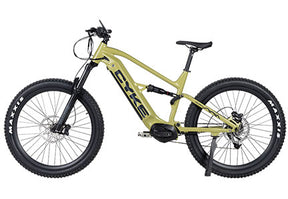
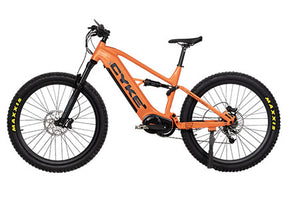
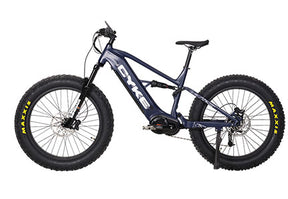
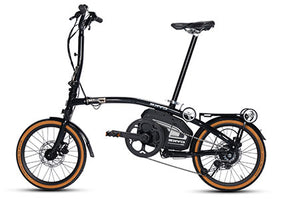







Featured in this posts
Why Two E-Bikes With Similar Specs Behave Differently
You are shopping for an e-bike. You compare two models side by side.
- Both list the same motor size.
- Both show the same battery capacity and range.
- They even share similar tires.9
- The prices are close, and they look almost identical.
Yet when you ride them, one feels smooth and glides effortlessly through city streets, and the other feels awkward or hard to control.
This happens a lot. The reason is that ebike specs, things like motor power, battery capacity, and tire size, only tell part of the story.
In this article, we will explain clearly why two e-bikes with similar basic numbers often behave very differently out on the road.
Specs Don’t Tell the Whole Story
On any ebike specs sheet, you will see numbers such as motor power, battery capacity, tire size, and suspension travel.
These numbers provide useful information. They show the raw capability. But here's what the specs don't reveal: how the bike actually feels when you are riding it.
E-bike ride quality depends on factors that never appear on a spec sheet. Let’s break this down:
- Motor: Two bikes might share the same motor, with the same wattage or torque rating. But if one places it in the front hub and another mounts it at the crank, they will behave like completely different vehicles.
- Battery: Two batteries might say the same watt-hours, but where that battery sits on the bike changes how stable the bike feels when you turn or ride over bumps.
- Tires: Even if both bikes have 2.5-inch tires, tread pattern, rubber quality, air pressure, and wheel build can change how the bike grips the road or feels over bumps.
- Suspension: Two e-bikes with the same travel can ride very differently based on spring type, damping, and overall tuning. Coil systems tend to feel smoother and more consistent, while air systems are lighter and more adjustable. The damper controls how soft or firm the ride feels, especially over bumps and during turns.
Frame Design Changes How an E-Bike Behaves
The frame is the backbone of an e-bike. The way it’s shaped, how it holds the motor and battery, and how stiff or flexible it is will define the e-bike’s behavior on the road.
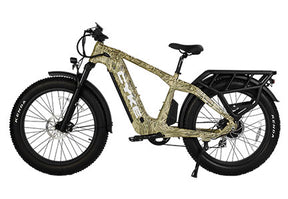
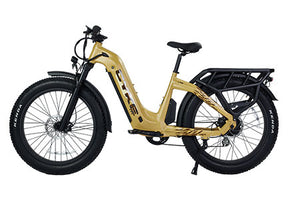
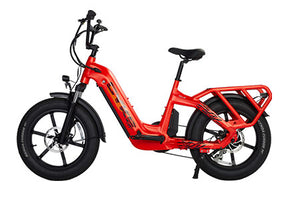
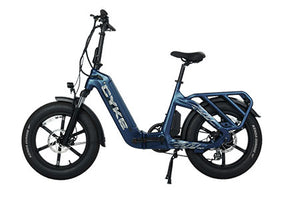
E-bike frame design differences become obvious when you compare specific examples.
Frame geometry refers to the angles and lengths that define a bike's shape. A relaxed front angle feels calm and steady at speed, but slower in tight turns. A steeper angle feels quick and sharp, though it can feel nervous when going fast downhill.
Stiffness matters too. A stiffer frame transfers your pedaling energy more directly to forward motion. It feels efficient and responsive. A more flexible frame might absorb some energy, but it smooths bumps and cuts down on road vibration.
Load capacity also plays a role. Frames built to carry weight feel planted and stable, even when empty. Lighter frames feel faster to accelerate, but they can feel less controlled on rough ground.
The frame design also depends on what the bike is built for:
- A commuter bike frame might emphasize comfort and stability, with relaxed angles that make the bike feel steady at moderate speeds.
- A cargo eBike needs exceptional stiffness to handle heavy loads without flexing.
- An off-road e-bike requires a frame that can absorb impacts while maintaining control.
Weight Distribution Matters More Than Total Weight
When people talk about e-bike weight, they often focus on the total number. Two e-bikes might both weigh 60 pounds, but where those pounds sit makes all the difference.
Balanced e-bike weight distribution creates a bike that feels lighter and more controllable than its actual weight suggests.
A front-heavy design, like with a front hub motor or a high-mounted battery, puts extra weight over the front wheel. At low speeds, this can feel unstable and make steering less precise. Lifting the front wheel over curbs or obstacles also becomes harder.
Rear-heavy setups put more weight on the back wheel. This can help with hill climbing traction, but the front feels light, and turns may feel twitchy or unpredictable.
The best setup is balanced and low. When the weight is placed low and close to the center, the bike feels steadier, more predictable. Good balance often feels effortless to the rider. You are not fighting the bike or making constant adjustments.
Geometry Shapes Handling and Confidence
Geometry refers to the angles and measurements that define the frame's shape. It includes the head tube angle, seat tube angle, wheelbase length, and other measurements that change e-bike balance and stability.
Here’s how geometry affects the ride:
- Steering Responsiveness: A steeper front angle can make the bike turn quickly, while a slacker angle makes it more stable at speed.
- Stability at Speed: Longer wheelbases and relaxed angles resist sudden direction changes, keeping you planted through fast turns and rough pavement. While a shorter wheelbase makes the eBike more maneuverable at low speeds but potentially makes it less stable.
- Comfort at Low Speed: Geometry also affects rider position and comfort. A comfortable upright position can make city rides feel easy and natural without tiring your back or arms.
Tires, Wheels, and Contact With the Ground
Tires are the only part of the e-bike that touch the ground. So, their size, width, and construction have a huge impact on how the eBike feels.
Larger wheels, like 29-inch mountain bike wheels, can smooth out bumps because they roll over obstacles more easily. Smaller wheels, like 20-inch wheels often found on folding bikes, accelerate more quickly and feel more nimble, but may not absorb as much shock.
Tire tread also matters; smooth tires roll easily on pavement, and knobby tires grip better off-road.
Tire pressure matters too. Lower pressure increases comfort and grip but can make the bike feel slower and less responsive. Higher pressure reduces rolling resistance but creates a harsher ride and less traction on loose or rough surfaces.
This is why two bikes with the same tire size number can still feel different. The design of the tire, the pressure in it, and how it interacts with the frame and suspension all change the way the bike responds to the ground.
Motor Placement Changes How Power Feels
The ebike specs might list the same motor wattage, but where that motor sits transforms how the power reaches the road.
Front Hub Motors pull you forward from the front wheel. This feels like someone is pulling the bike. Front hub motors can reduce traction in slippery conditions since they are pulling from the wheel with less weight on it.
Rear Hub Motors push from behind and can feel more natural when climbing hills. Rear motors typically provide better traction since more weight sits on the rear wheel.
Mid-Drive Motors sit at the bottom bracket and use the bike’s gears. This usually gives better balance and a more natural feeling of power delivery. Mid-drive motors also place the weight low and centered, improving overall balance.
Why Specs Are a Starting Point, Not a Verdict
When you compare e-bikes, the ebike specs give you a basic idea of what the bike might be capable of. But they don’t tell you how it will feel when you turn a corner, ride up a hill, or slow down to stop.
Numbers are helpful to narrow down choices, but the real ride quality comes from how designers balance all the elements together, like frame, geometry, weight distribution, tires, motor placement, and more.
So when reading reviews or comparing bikes, use the numbers as a guide. But also pay attention to what people say about the experience of riding the bike. Two bikes with nearly identical specification sheets can surprise you with very different feelings under your feet.
Conclusion
If you have ever wondered why e-bikes feel different even when their specs look the same, now you know why.
The ride you feel comes from a combination of thoughtful design choices, not just numbers on a page. Things like e-bike handling differences, how the weight is placed, how wide the tires are, and even how the frame angles are arranged all play a role in how comfortable, stable, and fun your bike feels.
So next time you are deciding between e-bikes, think beyond the basic specs. These hidden design details are what make an eBike great to ride.


