










E-Bike Geometry Explained: Fit, Comfort, and Performance
Riding an electric bike feels best when it fits your body.
The shape and measurements of your bike frame determine how you'll feel during every ride. A well-designed geometry can make long rides feel easy and fun, while a bad geometry can leave you sore and tired.
This article will explain the key parts of e-bike geometry in simple terms, showing why fit and comfort go hand-in-hand with performance.
What Is E-Bike Geometry?
E-bike geometry refers to the frame shapes and angles that determine how a bike fits and behaves. It affects how tall or stretched out you sit, how stable the bike is, and how easily you can pedal.
In other words, bike geometry helps set your electric bike riding position for comfort and power. The geometry has to match the rider’s body. In simple terms, the bike should fit your height and the way your arms and legs move.
Seat Height — The Foundation of Proper E-Bike Fit
Your seat height e-bike position affects everything from pedaling efficiency to knee health.
If you set it too low, you will strain your knees with every pedal stroke. And, if you set it too high, you have to overextend your leg and often rock your hips to reach the pedals, which pulls on your lower back.
The correct height allows a slight bend in your knee at the bottom of each pedal stroke. Your leg should extend almost fully without locking straight. This position maximizes power transfer while protecting your joints.
Getting saddle height right means your body stays relaxed. Simply, sit on your e-bike with one pedal at the lowest point. Your heel should barely touch the pedal with your leg straight. When you move your foot to the proper pedaling position, you'll have the ideal bend.
Reach & Handlebar Position
The reach is how far you have to stretch to hold the handlebars, and the handlebar height is how tall or low the bars are relative to the seat. These two settings help shape your riding position and affect comfort.
Reach and stack e-bike measurements work together to define this position. Reach measures the horizontal distance from the seat to the handlebars. Stack measures the vertical distance. These two numbers tell you whether you'll ride upright or lean forward.
An upright position keeps your back straight and reduces pressure on your wrists. This setup works beautifully for casual rides and commuting. You can see traffic easily and climb on and off without effort.
A forward-leaning position increases aerodynamics and control at higher speeds. Mountain bikers and performance riders prefer this stance. It shifts weight forward for better traction and handling.
The wrong reach creates discomfort quickly. Too much reach forces you to strain forward, causing shoulder and back pain. Too little reach cramps your knees and reduces pedaling efficiency.
Frame Angles
Two primary angles shape how your e-bike handles: the head tube angle and the seat tube angle.
1. Head Tube Angle
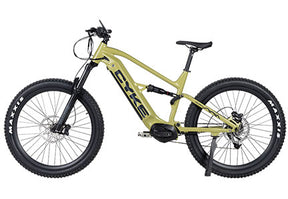
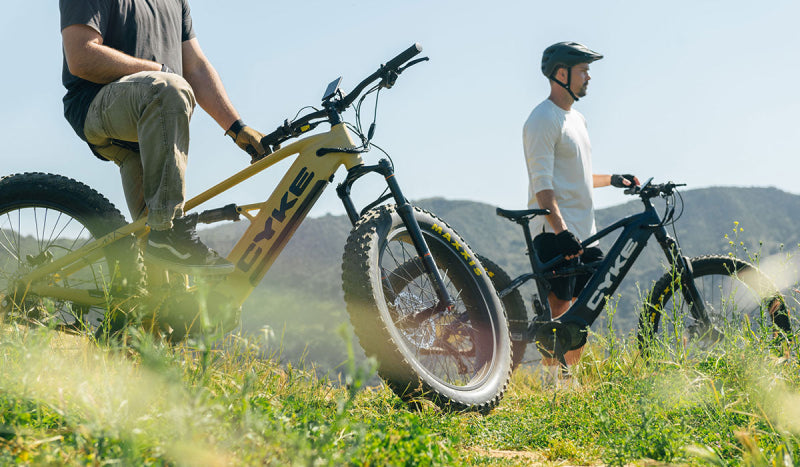
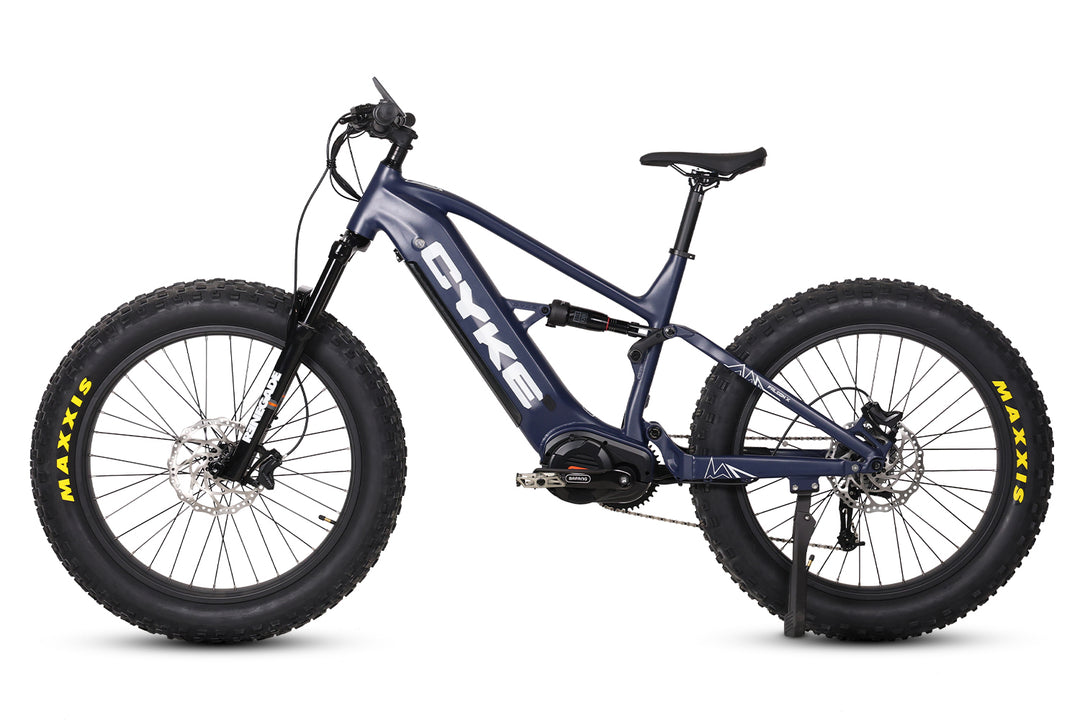
The head tube angle controls steering response and stability. This angle measures how tilted the fork appears from vertical. A slacker angle (leaning back more) creates stability at high speeds. For instance, an off-road eBike like the Falcon X Full Suspension eMTB uses a slack head angle, so it stays steady on bumpy trails.
A steeper head tube angle (more vertical) makes steering quicker and more responsive. The Lynx commuter e-bike uses this geometry for navigating busy city streets and tight corners.
2. Seat Tube Angle
The seat tube angle affects pedaling efficiency and comfort. A more forward angle positions you over the pedals for maximum power transfer. This design benefits riders who tackle hills or need strong acceleration.
A more relaxed seat tube angle shifts your weight back slightly. This creates a more comfortable, laid-back position. The trade-off comes in slightly reduced pedaling efficiency, though most casual riders won't notice the difference.
Step-Through vs Step-Over Geometry Differences
e-Bikes come in two main shapes: step-through (low frame) and step-over (high frame).
Step-Through Frame
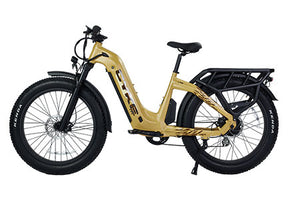
This design has no high top bar; instead, it’s open or low. It’s very easy to step onto the bike without lifting your leg high. This design helps riders wearing skirts or dresses, those with limited flexibility, and anyone who values convenience. It also generally puts you in a more upright posture.
Step-Over Frame
This is the classic design with a high top tube forming a triangle. It’s usually lighter and stiffer because the tube adds strength. This frame is very solid for heavy loads and performance riding.
For example, step-over bikes handle better when you pedal hard, and they’re great on rough terrain. The extra tube makes the frame more rigid and durable, which helps when riding fast or carrying weight.
Wheel Size & Tire Width
Wheel Diameter
Wheel diameter influences how your bike accelerates, rolls over obstacles, and maintains stability. Common e-bike wheels range from 20 inches to 29 inches in diameter.
Smaller wheels (20–27.5") accelerate quickly and make the bike more compact. On the other hand, large 29" wheels roll over bumps more easily and give a stable feel at speed.
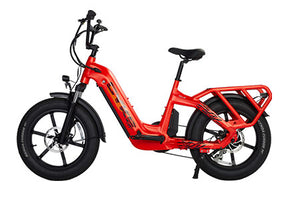
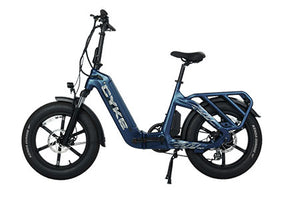
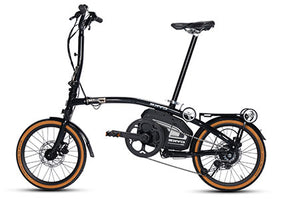
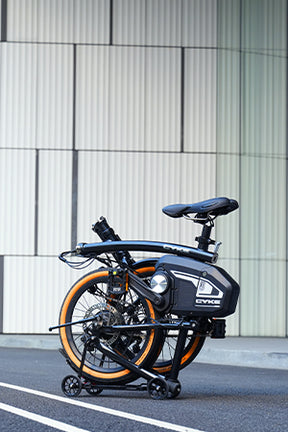
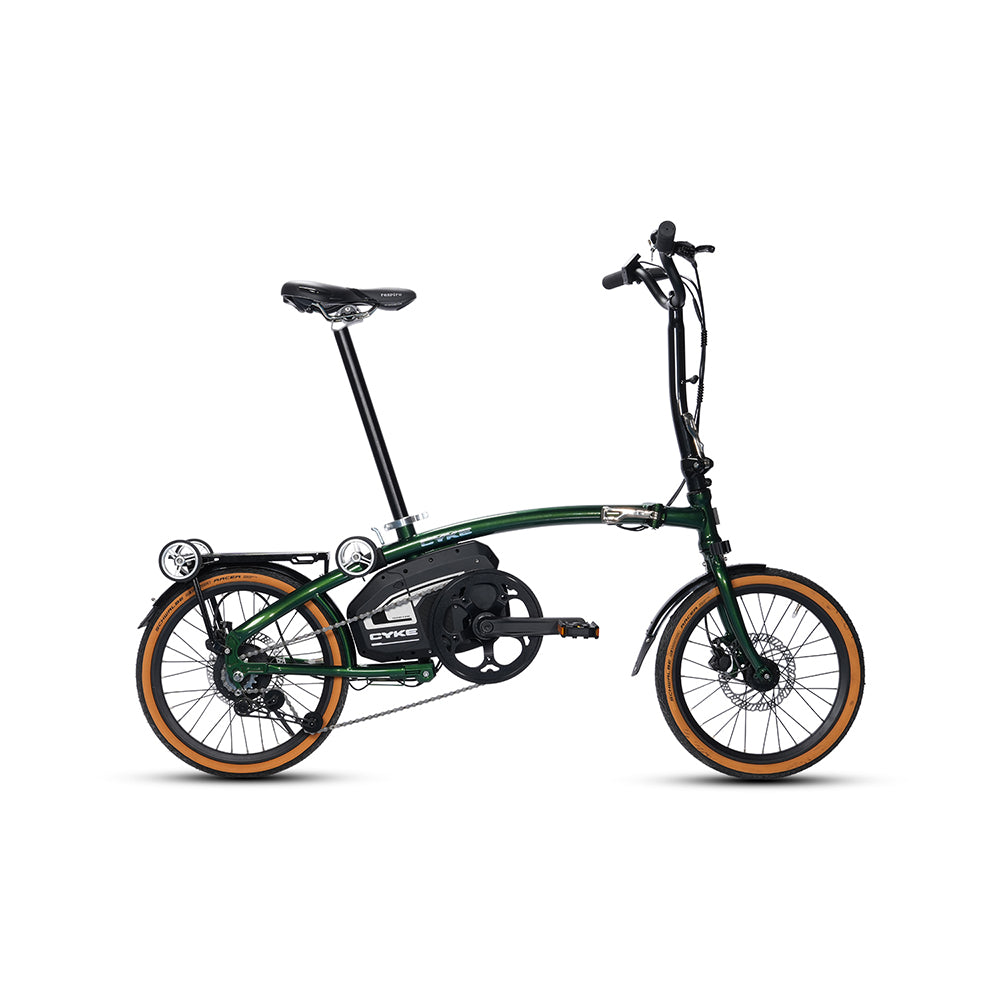
They keep the ride smoother on rough ground. For example, CYKE’s Kingfisher folding e-bike has 20″ wheels for quick city riding, whereas their Falcon X has 26″ wheels for stability on trails.
Tire Width
The tire width also changes the ride feel and capability. Wide tires cushion bumps and grip loose surfaces, while narrow tires are quicker and more efficient on pavement.
CYKE’s Kingfisher has 35mm tires, providing efficiency and nimbleness for urban riding. The bike handles quickly and uses less battery power.
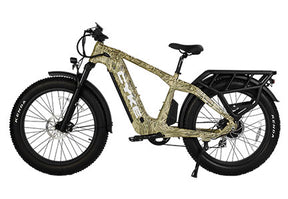
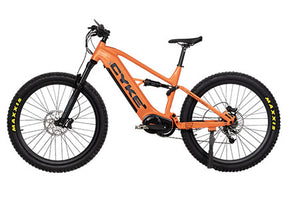
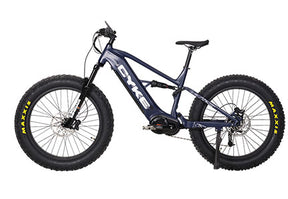
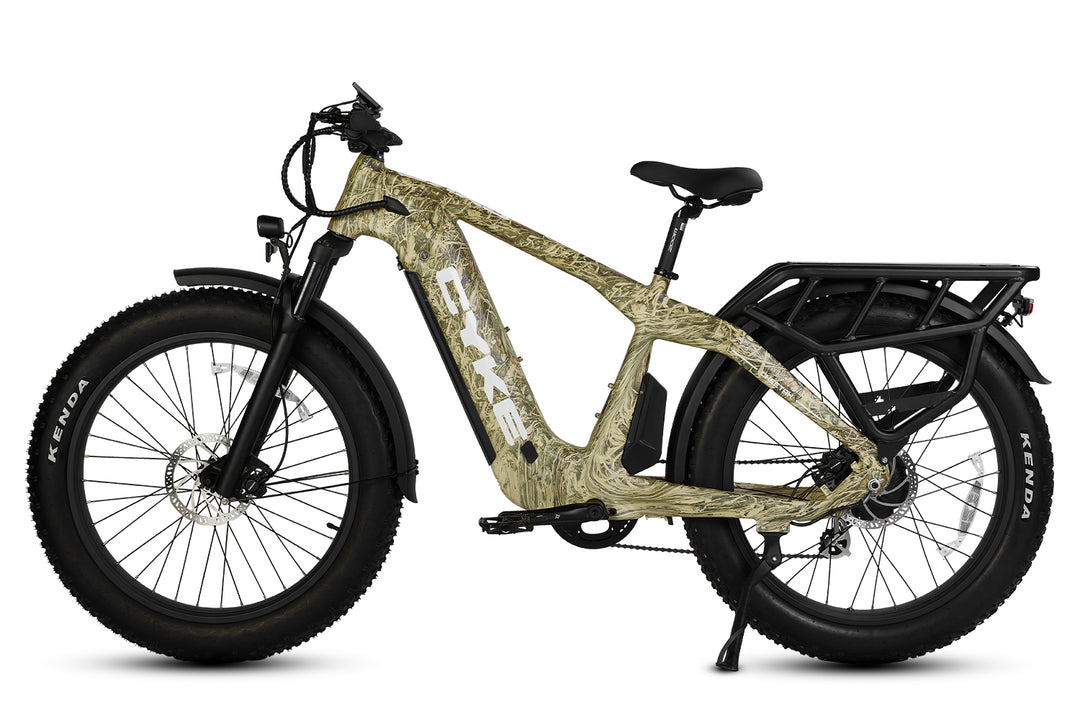
By contrast, the 3.0-inch tire on the Falcon S delivers agile trail riding with good traction and cushioning. This width balances speed with stability on varied terrain. And, the 4.0-inch tire on the Cheetah hunting e-bike provides maximum comfort and stability.
Fat tires float over soft surfaces like sand and snow. They absorb trail impacts and create a planted, confident feel.
Why Bad Fit Causes Pain and Fatigue
Poor e-bike fit and comfort create a series of problems. Incorrect seat height forces your knees to work at inefficient angles. This creates inflammation and long-term joint damage. Many riders blame age or fitness when geometry is the real culprit.
Incorrect reach measurements cause upper-body pain. Too much reach strains your back and shoulders. Your arms support too much weight, leading to numb hands and tired muscles. Too little reach cramps your position and reduces breathing efficiency.
Improper frame angles affect control and confidence. You might feel unstable or unable to maneuver effectively. This reduces enjoyment and can create safety concerns.
The motor and battery on e-bikes add weight compared to traditional bicycles. Poor geometry amplifies these weight distribution challenges. A well-designed frame makes the extra weight disappear. A poorly designed one makes you feel like you're wrestling the bike.
How CYKE Designs Geometry for Real Riders
CYKE builds e-bike geometry around practical rider needs rather than abstract ideals, so riders feel good on their e-bikes:
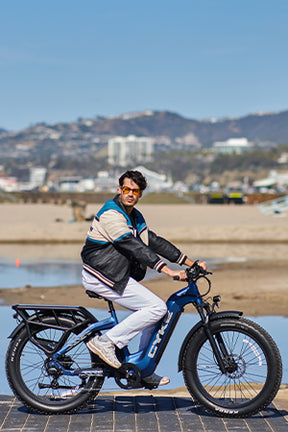
- Commuter & Cargo Bikes (Comfort-Focused): Models like the Lynx commuter and Collie cargo e-bike are built for an upright, relaxed ride. The Lynx features adjustable handlebars and a cushioned seat to promote relaxed postures and enhance comfort. This means riders sit almost upright, which is easier on the back and shoulders.
- The Mountain Models (Stable, Trail-Friendly): The Falcon series (S and X) is designed for off-road stability and fun. They use stable, trail-friendly geometry designed for confident riding on technical terrain. In practice, the frame angles and proportions create predictable handling when speeds increase or trails become challenging.
- Step-Through Frames for Easy Mounting: CYKE’s step-through e-bike design makes it incredibly easy to mount and dismount. This geometry is especially helpful if you often stop or start, wear work clothes, or carry kids/cargo, since you don’t have to swing your leg over a bar.
- Safety Certification: On top of comfort, CYKE ensures safety. All their bikes are TÜV certified to UL 2849 standards. This means each e-bike’s electrical system and structure are tested for reliability. The certification process includes stress testing the frame geometry under extreme conditions. This ensures the design works safely for diverse riders and situations.
Conclusion
Understanding e-bike geometry helps explain why one bike feels good while another feels awkward. It’s all in the math of angles and lengths. The right seat height, the right reach, and the right wheel and tire combination make your ride smooth and strong.
CYKE’s bikes are made with these ideas in mind: commuter and cargo bikes keep you upright and comfortable, while mountain bikes find a balance between steadiness and quick handling. Step-through frames make getting on easy, and safety certifications mean you can trust the frame’s strength.
Ultimately, good e-bike frame geometry means better fit and comfort. Always test ride if you can, and listen to your body. A bike that feels right will feel easier and more exciting to ride every time.


